Table of contents
Rigid itineraries are having a moment, and so are the regrets that come with them, as more travellers report returning home with a strange feeling: they “saw everything” and still missed the place. In 2024 and 2025, overtourism rules, timed-entry systems, and packed day-by-day plans have made trips look efficient on paper, yet many visitors say the best memories came from what they did not schedule. The question is no longer whether detours happen, but whether building room for them can make an itinerary genuinely better.
Why the best moments rarely fit plans
Can you plan for surprise? Not really, yet research on travel satisfaction suggests that what feels most meaningful often comes from the unscripted. Tourism studies have long linked perceived autonomy to higher enjoyment, and recent work in consumer psychology points in the same direction: when people feel they chose an experience, rather than simply followed a script, they rate it as more authentic and more memorable. That is one reason “micro-adventures” and slow travel keep rising in surveys, as travellers chase fewer checkpoints and more texture, even on short breaks.
The data is not just academic. Trip planning has become denser because the system pushes it that way. Timed reservations for major museums, capacity caps in fragile natural areas, and rail or flight disruptions all encourage travellers to lock everything in early. In practice, that can create a brittle schedule, and brittle schedules crack under real life: a delayed train, a sudden rainstorm, or a local tip that was never in the guidebook. When the day is packed end to end, one hiccup cascades into missed bookings, wasted tickets, and frustration, and travellers end up spending precious hours managing logistics rather than noticing where they are.
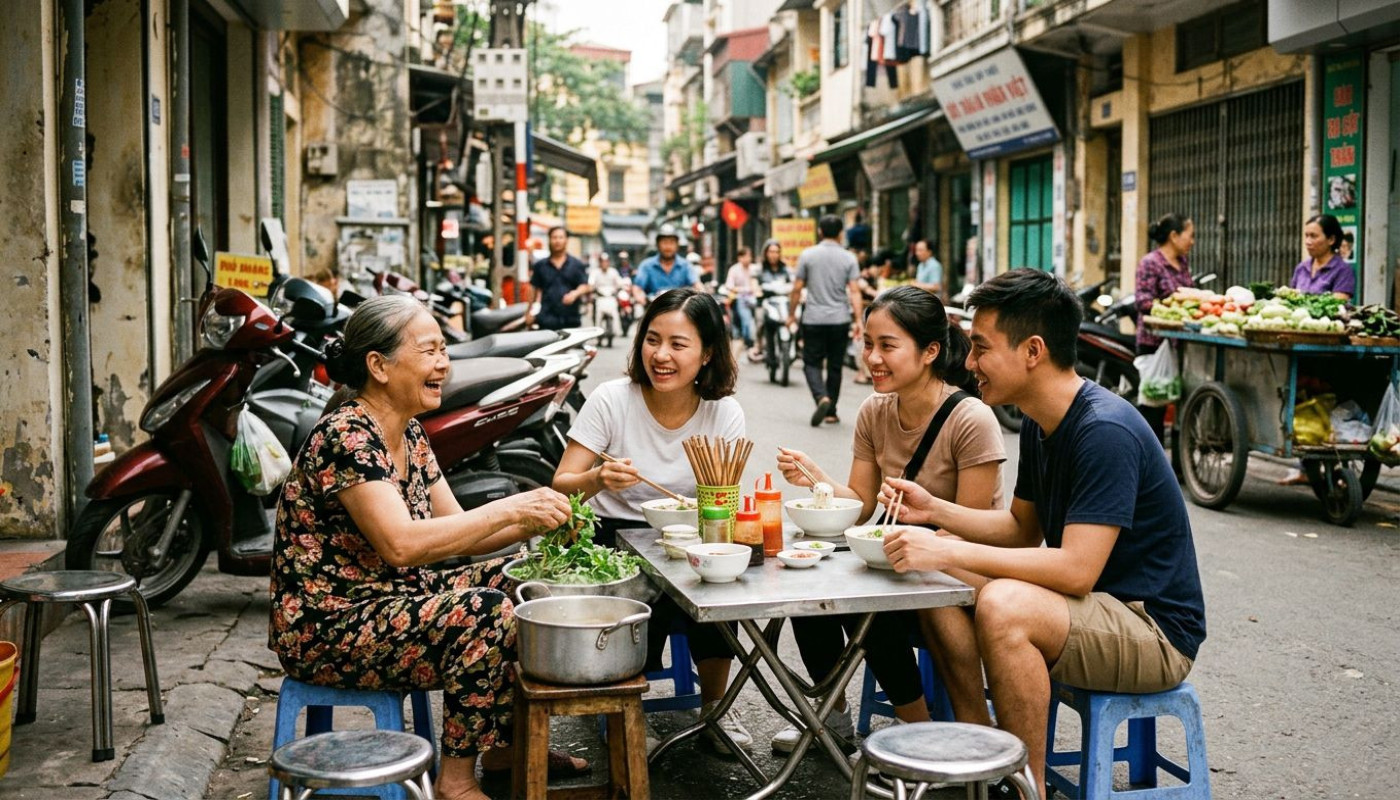
Detours, by contrast, turn that vulnerability into optionality. A flexible block in the afternoon means you can extend a lunch because the conversation is good, detour to a market because the scent of baking is too tempting, or simply sit by the water without guilt. It also changes what you pay attention to. Cognitive science researchers often describe how novelty increases memory encoding; wandering down an unexpected street, hearing a language you do not speak, or trying an unfamiliar dish becomes a “marker” that stands out among routine sights. The paradox is that a less controlled day can produce a clearer, more vivid recollection of the trip.
None of this is an argument for chaos. It is an argument for designing itineraries the way experienced editors shape a story: the spine is solid, the pacing breathes, and there is room for what emerges. The travellers who swear by detours are not usually the ones who refused to plan at all. They are the ones who planned the essentials, and then left space for the city, the weather, and their own curiosity to co-author the rest.
How to build “detour time” that works
Leave room, then defend it. The simplest tactic is also the hardest, because it requires saying no to one more attraction. Many travel advisers recommend limiting yourself to one major “anchor” activity per half-day, particularly in large cities where transit and lines eat time. A museum plus a neighbourhood walk, for example, is often plenty. Stack three big-ticket sights back-to-back, and the day becomes a race against the clock, even if each site is extraordinary.
Data from mobility and navigation apps has repeatedly shown how people underestimate urban travel time, especially when transfers and walking are involved. Add the real-world friction of queues, security checks, and finding the right entrance, and a 20-minute hop can easily become an hour. Detour time is not a luxury in that context; it is a buffer against miscalculation. A good rule is to add 25% to any transit estimate for days with reservations, and to treat “lunch” as a two-hour window rather than a box to tick. That cushion is what converts disruptions into discoveries instead of disasters.
Another approach is to plan by neighbourhood, not by attractions. It sounds basic, yet many travellers still criss-cross a city because the map pins look close enough. Keeping a day geographically coherent reduces decision fatigue, and it increases the odds of noticing smaller places: a bookstore with a local author display, a chapel that is quietly open, a bakery that sells out by noon. When your schedule is not scattered, you are more likely to accept an invitation from the street, and less likely to reject it because it is “on the other side of town.”
It also helps to decide, in advance, what you are willing to skip. That sounds counterintuitive, yet it is freeing. If you know that one museum is optional, you will not feel like a plan has failed when a friend suggests a boat ride, or when you stumble into a neighbourhood festival. In other words, you are not leaving room for random wandering; you are making a conscious trade, and the trade is what prevents regret.
Finally, detour time works better when it is attached to a purpose. Some travellers designate one “unplanned meal,” one “unplanned view,” and one “unplanned conversation” per trip. The goal is not to hunt for perfection, but to make spontaneity a deliberate part of the experience. It becomes easier to justify that extra hour in a café when you can say, honestly, that the café is the point.
Detours also protect your budget
Is spontaneity expensive? It can be, yet rigid planning often costs more than people realise. Prepaid tickets that cannot be rescheduled, taxis taken in a panic to make a timed slot, and meals grabbed wherever is closest because the next booking looms, all add up. When an itinerary is too tight, you tend to buy convenience at the worst possible moment, and convenience purchased under stress is almost always overpriced.
A detour-friendly plan changes spending in subtler ways. It makes it easier to choose public transport over ride-hailing because you are not racing the clock, and it lets you compare options for meals and activities rather than defaulting to the nearest place with a table. Even in high-demand destinations, flexibility can open doors to better value: a late lunch menu, a mid-week market, or a small gallery with a modest entry fee instead of a blockbuster exhibition with a premium price.
There is also a risk-management angle. Travel insurance data and airline statistics show that delays and cancellations are not rare events, they are background noise in modern travel. When plans are stacked too tightly, a single disruption can create a domino effect that forces last-minute rebooking, sometimes at peak prices. A looser itinerary is not just nicer; it is economically rational. It reduces the probability that you will need to spend extra money to “save” the plan.
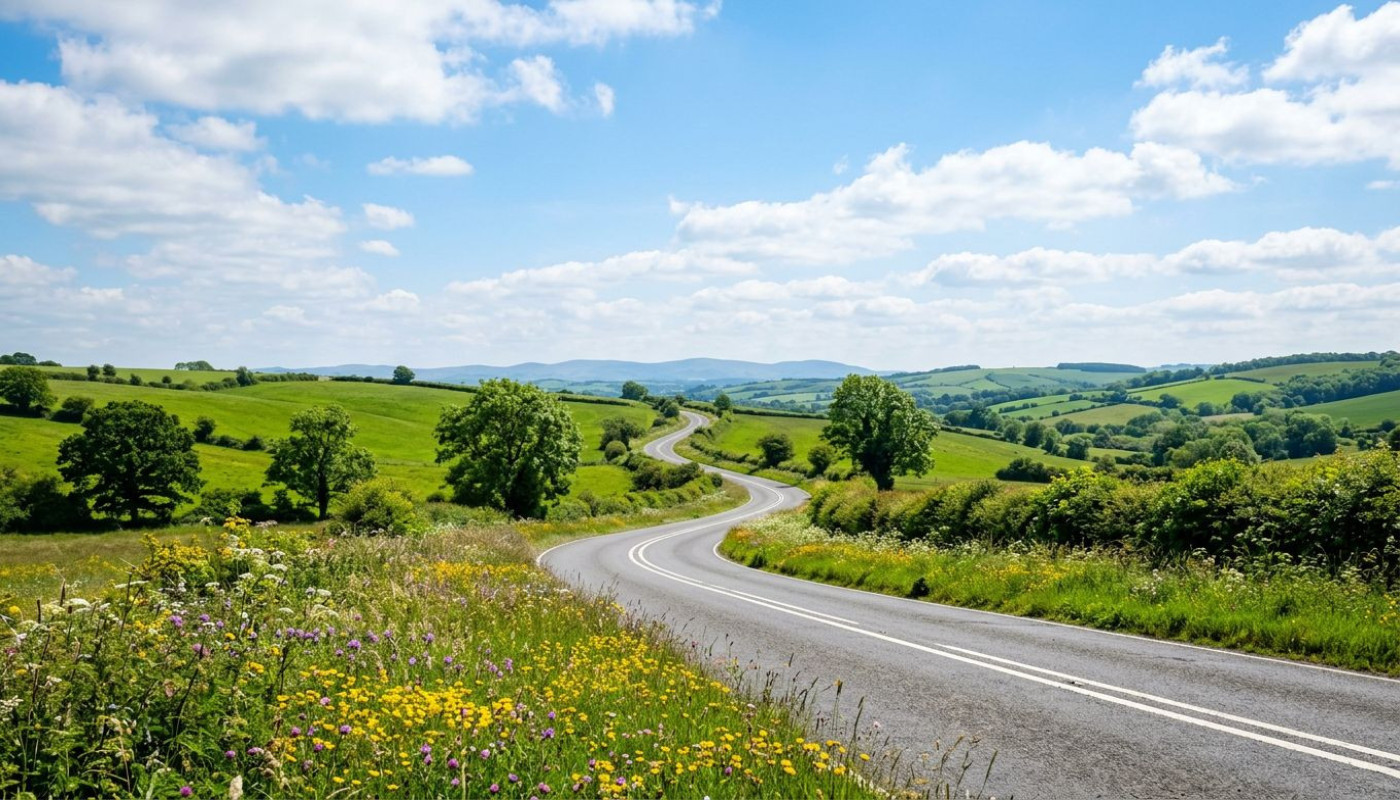
For road trips, detours can be especially cost-effective when they are framed as scenic alternatives rather than extra mileage. A longer route that avoids tolls, or a secondary road with viewpoints and small towns, can turn “time spent driving” into part of the experience, and in some cases it reduces fuel-hungry stop-and-go traffic. The key is to pick detours that are additive rather than purely logistical, and to keep an eye on what they displace: a rushed paid activity might be replaced by a free, unforgettable landscape.
Spontaneity also shapes where money flows. When you are not sprinting between headline attractions, you are more likely to spend with local businesses that are not on the main tourist conveyor belt: a family-run restaurant, a craft shop, a local guide for a short walk. Those choices can be modest in cost yet high in value, and they often leave travellers feeling they supported the place rather than merely consumed it.
Choosing detours without losing the plot
How do you roam and still arrive? The trick is to keep a clear narrative for the day, even if the scenes change. Think of your itinerary as having a beginning, middle, and end. The beginning might be a reserved museum slot or a morning hike, the middle is your detour window, and the end is a fixed point such as dinner, a concert, or simply returning the car. When the day has a shape, you can improvise inside it without anxiety.
Practical tools help, and they do not need to be complicated. Save a short list of “nearby options” for each base location: two cafés, two parks, one rainy-day activity, one sunset spot. If a local recommendation appears, you can swap it in quickly. If the weather turns, you have an indoor fallback. This method preserves the joy of discovery while reducing the cognitive load of deciding on the fly, especially for families or groups where decision-making can be its own friction.
Detours also benefit from a simple threshold: only detour if it improves the day’s core goal. If the goal is culinary, a side street that smells like grilling is a good bet. If the goal is nature, an extra viewpoint is probably worth it, while an additional museum may not be. This is how experienced travellers avoid the trap of “more,” which is rarely the same as “better.”
For travellers looking for a deeper reset, detours can be built into the trip’s structure, not just its hours. That might mean adding a night in a smaller town between major cities, choosing a route that privileges landscapes over speed, or selecting experiences that encourage lingering rather than collecting. If you are researching ways to design a trip around that kind of freedom, one place to go is a resource that focuses on travel ideas and routes designed for discovery, not just for efficiency.
The final safeguard is to accept that not everything will be “maximised.” That language, borrowed from productivity culture, does not fit travel particularly well. A trip is not a spreadsheet; it is an encounter. When you allow detours, you may see one fewer landmark, yet you are more likely to remember the smell of the sea at dusk, the conversation with a shop owner, or the sudden rain that sent everyone laughing under an awning. Those are not compromises. They are often the point.
Before you book: a practical detour checklist
Keep your bookings, but loosen the day. Reserve what truly sells out, then build at least one two-to-three-hour block with no fixed commitment, and avoid scheduling paid tickets on both sides of that block; it is the sandwiching that kills spontaneity. If you are on a tight budget, prioritise flexible reservations, refundable rates when the price difference is reasonable, and public transport passes that remove per-ride anxiety.
For families and groups, agree on one “must” per person, then treat everything else as negotiable, and if you are travelling in peak season, look up local capacity rules and timed-entry requirements early so your flexibility does not turn into last-minute disappointment. Finally, set a simple spending buffer for detours, even a small one, because the best unplanned moments often involve a meal, a guide, or a ticket you did not anticipate.
Similar articles