Table of contents
Done with cookie-cutter itineraries, the kind that reduces a city to “must-see” checklists and little else? Across the travel industry, bookings are rising for experiences that feel personal, slightly unpredictable, and, above all, memorable, from after-dark museum access to hands-on workshops with local makers. The point is not to chase thrills for their own sake, it is to return home with stories that cannot be replicated by scrolling through the same five landmarks everyone posts. This is where unconventional activities can quietly transform an entire trip.
Night shifts, back doors, private after-hours access
Want a city without the crowd noise? After-hours experiences are one of the simplest ways to make even familiar destinations feel new, and they often come with the added benefit of better storytelling, because guides can slow down, take questions, and show the small details that daytime foot traffic tends to erase. Major museums in several capitals now run late openings, but the more distinctive options are the ones that operate outside the classic timetable: behind-the-scenes tours, conservation-room visits, and small-group access that turns a public space into something closer to a set piece.
In practice, these experiences are also about urban rhythm. A city at 22:00 is not the same place as at 14:00, the lighting changes, the soundscape shifts, and even the way locals move through streets feels different, which is precisely why nighttime activities can become the emotional highlight of a trip. Data from the wider tourism sector points in the same direction: the global “experiential travel” market has been expanding rapidly in recent years, with multiple industry analyses, including those by major consulting and market-research firms, repeatedly forecasting strong growth through the decade as travellers prioritise distinctive, curated moments over pure sightseeing.
To make it work, treat after-hours access like a limited resource. Tickets often release in batches, they sell out early in peak season, and the best slots are typically the smallest groups, even if they cost more. Check cancellation terms, verify meeting points carefully, and budget extra time for late-night transport, because the return journey is where plans often unravel. If you are building a trip around one “anchor” experience, make it something you cannot do at midday, then stack the conventional sights around it.
Eat like locals, cook like them
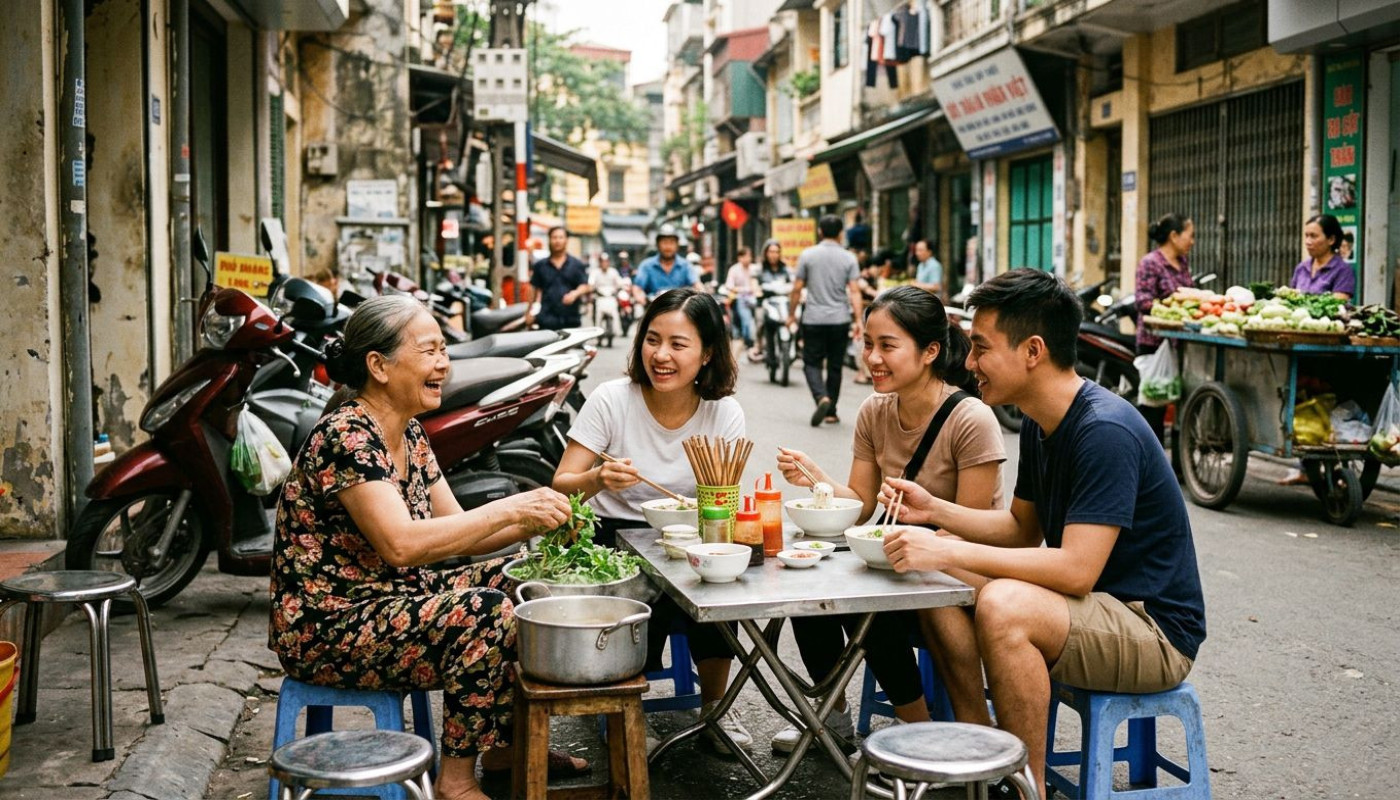
One meal can be forgettable, or it can rewire how you understand a place. Food-focused experiences are shifting away from passive tasting and toward participation: market walks with a chef, home-style cooking classes, fermentation workshops, and street-food crawls that explain not only what you are eating, but why it exists, how prices have changed, and what locals actually buy when they are not entertaining visitors. This is not about chasing the most photogenic plate, it is about decoding a city through its ingredients, its shortcuts, and its rules of etiquette.
The appeal is backed by hard numbers. The World Food Travel Association has long argued, through its research and industry briefings, that a large majority of leisure travellers engage in food and beverage experiences while travelling, and that many actively choose destinations for culinary reasons. Meanwhile, cities that have become shorthand for their food culture have shown how quickly demand concentrates around a few “famous” addresses, which makes smaller, neighbourhood-led formats even more valuable, because they spread travellers out and give them a sense of the everyday economy. A good guide will talk about supply chains, seasonal fluctuations, and the reality of rents and wages, because those forces shape menus as much as tradition does.
To choose well, read beyond star ratings. Look for experiences that specify where the money goes, how big the group is, and what happens if dietary requirements change at the last minute. If the workshop includes a market visit, check the timing, because early morning stalls can be dramatically different from late-afternoon leftovers. And if you are trying to avoid a tourist trap, ask one simple question before booking: “Do locals do this on their day off?” If the honest answer is no, it may still be fun, but it will not teach you much about the place.
Build something, break something, learn fast
Souvenirs fade, skills stick. Creative, hands-on activities are rising in popularity because they give travellers a tangible outcome and a memory that is not just visual: pottery you shaped yourself, a print you pulled, a short surf lesson that leaves your arms aching, or a one-hour dance class that forces you to laugh at your own coordination. These are not “filler” activities for bad weather, they are a way to step out of consumer mode and into participation, which is often where a trip stops feeling like a transaction and starts feeling like a lived experience.
There is also a wider cultural shift at play. Across many destinations, local operators are designing workshops that can fit into a tight itinerary, because travellers increasingly plan in shorter windows and want experiences that deliver quickly without being shallow. Market research on tours and activities, including analyses that track online bookings, has repeatedly shown that the “things to do” segment is growing, and that travellers are willing to pay for smaller-group formats, especially when the host is clearly a practitioner rather than a generic guide. The most compelling classes are the ones that keep the narrative grounded: how long it takes to master the craft, what materials cost, where the tradition came from, and how it survives in an economy that pushes toward mass production.
For travellers, the practical trick is to pick an activity that matches your energy curve. Schedule physically demanding sessions early, place slower workshops after long transit days, and leave breathing space in case you want to linger, because many studios also double as small shops where you can talk to the maker. Ask what you will actually take home, whether shipping is possible, and how breakable items are handled. If you are travelling with friends, choose something that produces different outcomes for each person, because that becomes a built-in conversation starter for the rest of the trip.
Micro-adventures that change the whole map
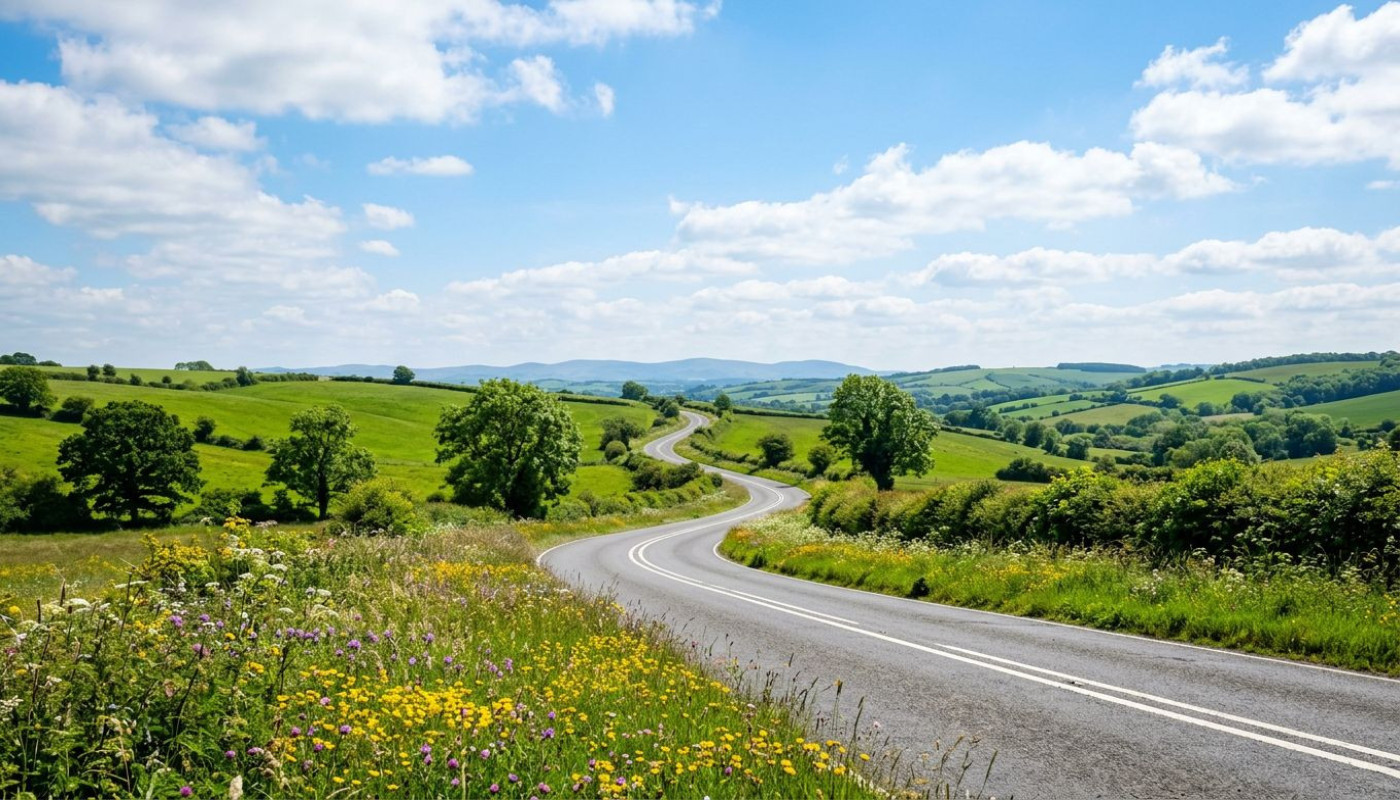
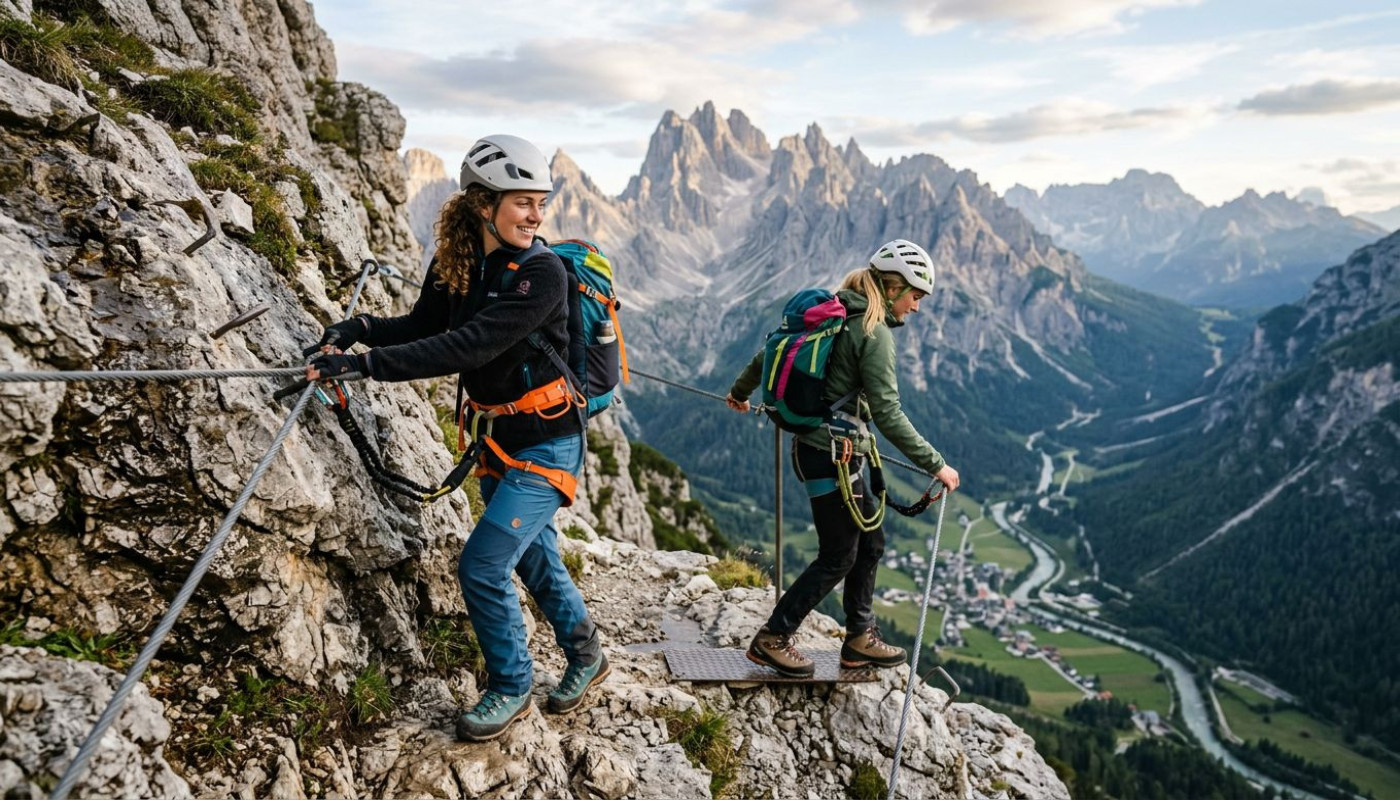
A great trip does not always require a great distance. Micro-adventures, short, high-impact excursions that slot into half a day, can reshape how you see a destination, because they pull you out of the central narrative and into the edges, the suburbs, the coast, the industrial zones, the hills where locals go when they want space. Think sunrise hikes, kayaking at dusk, bike rides through backstreets, wildlife walks with rangers, or a day that revolves around one neighbourhood rather than a city centre.
These experiences matter because they redistribute attention. Overtourism is no longer a niche concern, it is a headline issue in many destinations, and local authorities have been experimenting with strategies to reduce pressure on crowded areas, from timed entries to visitor caps and alternative-route promotion. For travellers, choosing a micro-adventure is a way to opt out of the bottleneck, while still getting something vivid. It also tends to be more resilient to weather and time constraints, because if a plan collapses, you can often rebook quickly, switch locations, or shorten the route without losing the entire day.
If you are trying to build an itinerary around unconventional activities, it helps to plan like a producer, not a tourist. Start with one or two “signature” moments, then connect them with practical logistics: transport time, meal windows, and rest. Use a local activity directory to compare options by theme and location, and to spot the experiences that are actually feasible within your schedule; for travellers mapping out options, https://www.melbourne-trip.com can be a useful starting point to browse activities and organise days without turning the trip into a rigid spreadsheet. The best micro-adventures are the ones that leave you with a new mental map, because you stop thinking in landmarks and start thinking in routes, textures, and local habits.
Before you book, make it count
Reserve the most time-sensitive activities first, especially small groups and after-hours access, then build meals and free time around them. Set a realistic budget: unconventional does not always mean expensive, but quality guides and low-capacity experiences cost more. Check local discounts and visitor passes, and look for municipal or seasonal offers that can reduce transport and entry fees without sacrificing the experience.
Similar articles