Table of contents
Everyone says they want to “travel like a local”, yet most mainstream itineraries still funnel visitors toward the same crowded viewpoints, the same photogenic cafés, and the same checklist museums, and in doing so they miss what actually makes a city feel lived-in. The disconnect is not just aesthetic, it is practical: over-touristed hotspots inflate prices, distort neighborhoods, and leave travelers with a glossy memory that could have been anywhere. Authentic local activities exist, but they rarely look like a top ten list.
“Authentic” isn’t hidden, it’s structured
Chasing authenticity often starts with a misconception: that the “real” city is a secret, accessible only through obscure doorways and whispered tips. In reality, local life is not mysterious, it is organized, scheduled, and visible, just not always packaged for visitors. It lives in time slots and routines: the weekday market run, the after-work sports league, the neighborhood festival committee meeting, the morning queue at a family bakery, and the weekend escape to a nearby beach or mountain trail. If you want local experiences, you need to read the city like locals do, through its calendar, its transit map, and its patterns of movement.
Data backs this up. Tourism researchers have long noted that visitors concentrate in a small part of a destination: the UN World Tourism Organization has highlighted how tourism flows cluster spatially, and city studies repeatedly show that a minority of streets absorbs a majority of footfall. The result is a paradox: travelers feel surrounded by people and yet disconnected, because they are mostly surrounded by other travelers. The practical fix is not to “go off the beaten path” as a vague mantra, it is to replace attraction-based planning with participation-based planning, and to choose activities that have a built-in local reason to exist, such as community events, sports, food provisioning, and cultural practices that continue regardless of tourism.
That shift changes everything. A neighborhood market visit becomes meaningful when you understand what is bought there and why, and a simple coffee becomes cultural when you learn when locals drink it, how long they stay, and what they do afterward. Even a museum can be “local” if you align with local rhythms, for example by attending a late opening, a temporary exhibit that draws residents, or a talk that is not designed as tourist entertainment. Authenticity is not about rarity, it is about context, and the best travel planning starts by securing that context.
Local activities start with local time
Want a quick test of whether an activity is truly local? Ask when it happens. Cities run on recurring schedules, and the most authentic experiences tend to be anchored to them, because that is how communities coordinate. Markets operate on specific mornings, neighborhood celebrations peak on particular weekends, and even dining patterns have a logic that tourists often misread. When travelers ignore timing, they arrive to empty stalls, closed shutters, and “dead” streets, then conclude the place lacks character, when in fact they simply missed the hour when it comes alive.
Consider how travel demand concentrates by hour as well as by place. Across major European destinations, mobile-location analyses and transport data consistently show sharp peaks around late morning and mid-afternoon in the most visited districts, with quieter troughs early and late. Travelers can exploit this, not as a hack, but as a way to access spaces when residents actually use them. Early mornings are for provisioning and routine, evenings are for social life, and midday often belongs to work, errands, and family logistics rather than sightseeing. Planning around these patterns produces better experiences, and it also reduces the pressure on overcrowded venues.
The most overlooked local activity is simply doing what locals do at the times they do it, and that requires a different approach to building an itinerary. Instead of stacking landmarks, anchor your day around one time-bound local ritual, such as a market breakfast, a neighborhood walk aligned with school and commute flows, or a sports or cultural event that starts when residents are off work. Then build the rest around it, using transit like a local rather than relying only on walkable tourist cores. For a city that receives heavy visitor volumes, such as Barcelona, this kind of planning also helps you avoid the worst bottlenecks, and if you need a starting point for activities, neighborhoods, and day structures beyond the obvious, a curated local-oriented guide like https://www.barcelona-trip.com can help you map options that fit real schedules rather than postcard timing.
The food “experience” is usually a trap
Food is where travel guides most often oversell authenticity, because it is easy to market and easy to photograph, and yet it is also where tourists get steered into the most artificial setups. The warning signs are familiar: menus that read like a museum label, aggressive touting, paella photos in places where paella is not the point, and “traditional” venues that somehow manage to serve the same crowd-pleasing plate all day, every day, at the same inflated price. This is not a moral failure by travelers, it is an economic system responding to demand, and in high-pressure areas the market rewards places that optimize for volume, not for local relevance.
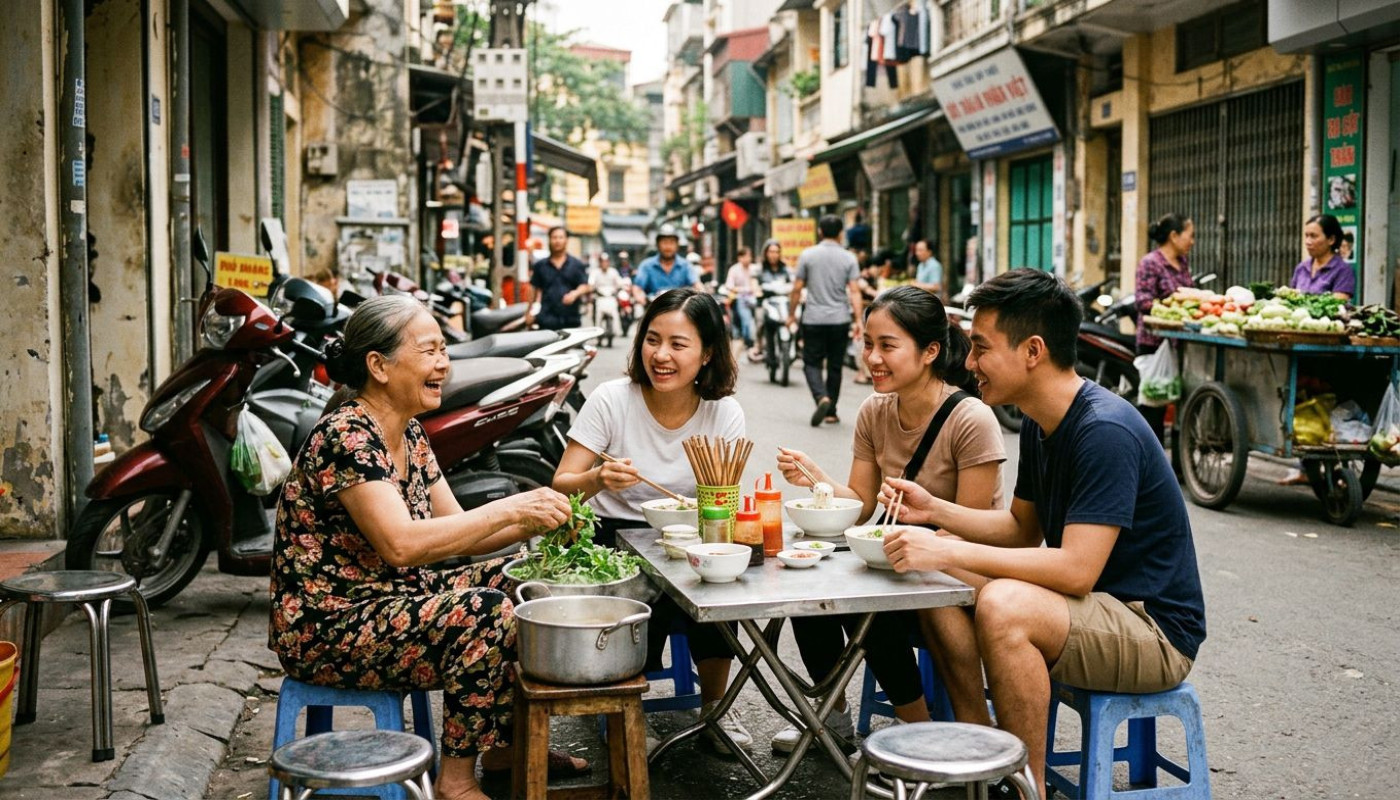
A more grounded approach starts by recognizing that locals do not eat “like locals” all the time either; they eat to solve problems. They need a quick lunch near work, a family meal near home, a snack between errands, and a social dinner that matches their budget. So the most authentic food activities are not necessarily a single famous dish, they are formats: the midday set lunch, the neighborhood bar crawl that starts with one drink and one small plate, the bakery breakfast that matches the commuter rush, and the weekend long meal that only makes sense when you have time. When you follow formats, you are less likely to be sold a performance.
There is also a data-driven angle that many guides omit: the relationship between tourism intensity and price distortion. In cities with high visitor density, hospitality prices tend to track footfall, and the most photographed areas often carry the highest “convenience premium”. This is measurable not just in restaurants but in coffee, snacks, and basics, where the same item costs materially more a few blocks closer to a major attraction. Travelers can respond intelligently by building food stops around everyday corridors, near transport interchanges used by residents, around markets, or in mixed residential-commercial streets where the customer base is not dominated by visitors.
If you want one rule that consistently improves results, it is this: prioritize places that have a reason to exist at 8 a.m. on a weekday and at 2 p.m. on a workday, because those time slots do not survive on tourism alone. Then add one “special” meal that you book, budget for, and treat as a deliberate choice rather than an improvised decision made while tired and hungry near a landmark. The goal is not to avoid tourist restaurants as a badge of honor, it is to put your appetite where local life actually is.
The real souvenir is participation
Guides often frame local activities as consumption: buy this ticket, take this tour, order this dish. Yet what tends to stick in memory is participation, even when it is simple. Joining a neighborhood festival, attending a small concert, watching a local amateur match, taking a craft workshop, or even learning a few phrases and using them in a real exchange creates a sense of belonging that no viewpoint can replicate. These experiences can be harder to plan because they are not always optimized for visitors, but that is precisely why they feel real.
Participation also has a civic dimension that many travelers care about, especially as debates about overtourism intensify across Europe. Cities from Amsterdam to Venice to Barcelona have introduced or discussed measures to manage visitor pressure, from regulating short-term rentals to adjusting tourist taxes and tightening rules around group tours. The common thread is a desire to protect residential life. Travelers who choose participation-based activities, and who spread their time and spending across neighborhoods and seasons, tend to align better with what city leaders and residents say they want: tourism that integrates rather than overwhelms.
Practically, participation starts with choosing experiences that are not fragile. A workshop with a small local business, a walking route built around everyday architecture rather than “Instagram spots”, a day trip to a place residents actually visit on weekends, or a cultural event where most attendees are not holding a map, these are often more resilient and more rewarding. It also means being respectful in ways that go beyond etiquette: keeping noise down in residential lanes, avoiding peak-hour congestion on narrow streets, and remembering that a neighborhood is not a theme park. Travelers can still have fun, but the fun lands differently when it is built around real social spaces.
Ultimately, what most travel guides miss is that authenticity is less about finding a perfect hidden gem and more about learning how a place functions, then joining it briefly without trying to bend it around you. That mindset produces better stories, better meals, and better conversations, and it leaves a lighter footprint.
How to plan it without guesswork
Start with two anchors: one time-bound local ritual and one booked highlight. The ritual could be a market morning, a neighborhood event, or a walk aligned with the city’s real tempo; the highlight could be a concert, a museum exhibit with a talk, or a workshop where you learn a skill. Then build corridors between them rather than hopping randomly across a map, because the journey is often where local life shows itself, in playgrounds, corner stores, and commuter flows.
Budget realistically. In major cities, a “spontaneous” day can become expensive fast if every decision is made in the highest-demand streets, so set aside a daily food budget, a separate amount for one paid experience, and a contingency for transport, and you will be less tempted into overpriced traps. Book what truly needs booking, especially small-group activities and sought-after cultural events, and leave space for what does not: parks, markets, beaches, neighborhood walks, and the slow time that makes a city feel like more than a backdrop.
Finally, look for public or semi-public supports. Many cities offer discounted museum hours, integrated transit passes, or free cultural programming through municipal venues, and travelers who scan official calendars can find events that are genuinely aimed at residents. Plan around those, and you will not just see the city, you will meet it.
Make your itinerary click, not just your photos
Reserve one standout activity ahead, set a clear daily budget for meals and transport, and check local calendars for free or discounted cultural events that residents actually attend. If you are traveling in peak season, book early, use transit to spread out, and lean on neighborhood-based planning so your time feels richer and your choices stay practical.
Similar articles